
12.3.2026
Interest Rate Development in Europe: What Savers Should Know Now
5 min read
Understand current interest rates in Europe. Learn how ECB interest rates influence savings rates and loans and what the rate trend means for savers.
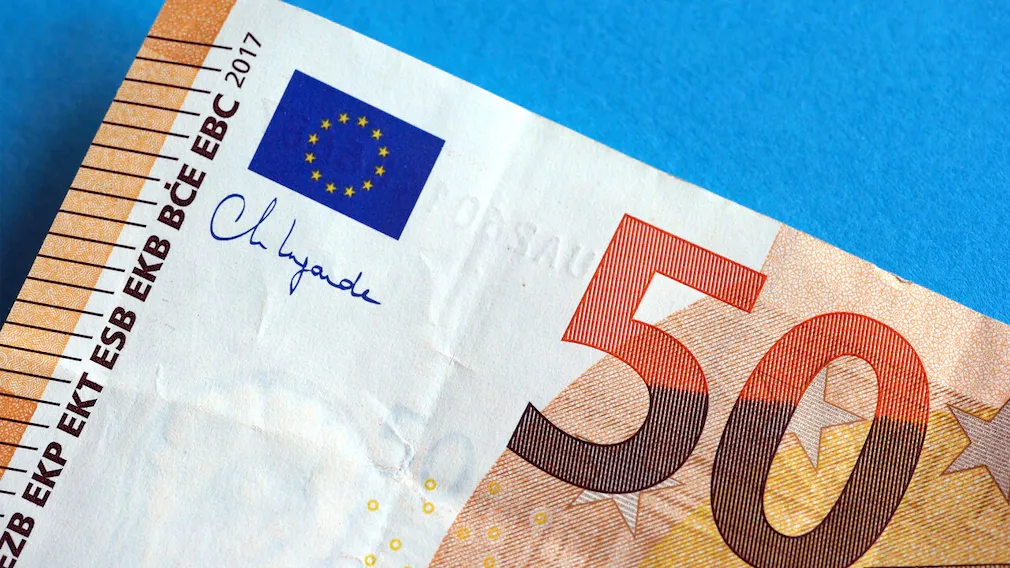
The interest rate development in Europe is one of the most important topics for savers, investors and borrowers. Decisions by central banks influence savings rates, loan interest rates and investments across the entire economy. Many consumers therefore regularly follow current interest rates to understand how their finances may develop.
After several years of extremely low interest rates, the interest rate environment in Europe began to change significantly. Especially after the sharp increase in inflation, interest rates were adjusted several times. As a result, the current interest rate has increased significantly in many areas of the financial system.
The most important decisions about interest rates in the eurozone are made by the European Central Bank. Its monetary policy measures largely determine the EU central bank interest rates and therefore the conditions for loans and savings products.
Overview of current interest rates in Europe
Many people are currently interested in current interest rates in Europe because they directly influence loan costs, real estate financing and savings investments. Many consumers also ask how high interest rates currently are and what impact they have on savings products or loans.
The most important factors influencing the current interest level are:
- inflation in the eurozone
- economic development
- central bank decisions
- international capital markets
The most important reference value is the current ECB key interest rate set by the European Central Bank.
Typical interest ranges in Europe (example values)
| Interest rate | Average value |
|---|---|
| ECB key interest rate | approx. 4.0% |
| Savings account interest | approx. 2.5 – 3.5% |
| Fixed-term deposit rates | approx. 3.0 – 4.0% |
| Mortgage rates | approx. 3.5 – 4.5% |
These figures show that the interest rate level has changed significantly compared with the years following the financial crisis.
How the European Central Bank key interest rate works
The most important interest rate in the European financial system is the current ECB key interest rate. It determines the conditions under which commercial banks receive money from the central bank.
The current ECB key interest rate influences several areas of the economy:
- savings interest rates at banks
- loan interest rates for consumers
- corporate investments
- economic growth
If the current ECB key interest rates increase, the cost of loans usually rises as well. At the same time, banks may offer higher savings interest rates. The official rates are regularly published by the European Central Bank and serve as a reference for many financial products.
Interest rate development in recent years
The development of interest rates in Europe has been strongly influenced in recent years by economic crises and inflation.
After the financial crisis, interest rates remained close to zero for a long time. Only with rising inflation did the interest rate trend begin to change significantly.
The current interest rate development shows that central banks are trying to control inflation and maintain price stability through higher interest rates. The current interest rate level in Europe is strongly influenced by the monetary policy decisions of the European Central Bank.
This interest rate development directly affects real estate markets, consumption and investments.
Why interest rates rise or fall
Many consumers wonder why interest rates rise or fall again.
The most important influencing factors are:
Key factors for rising or falling interest rates
- inflation
- economic growth
- labor market development
- monetary policy decisions
When inflation rises, central banks often increase interest rates. This makes loans more expensive while savings investments become more attractive.
Interest rate forecasts for Europe
Many analysts regularly publish forecasts about future interest rate development in order to estimate possible economic developments. Analysts from banks, central banks and international financial institutions regularly publish forecasts about future interest rate trends.
An interest rate forecast depends on several economic factors:
- inflation trends
- growth of the European economy
- energy prices
- geopolitical risks
However, any interest rate development forecast remains uncertain because economic conditions can change quickly.
What current interest rates mean for savers and loans
Changes in interest rates directly affect consumers. Savings interest rates are particularly important because they determine how attractive savings products such as overnight deposits or fixed-term deposits are.
In recent years the current savings rate has increased again after remaining very low for a long time.
At the same time, borrowing costs have also increased. The current loan interest rate affects, for example:
- mortgage loans
- car loans
- consumer loans
The development of loan interest rates shows that financing can become significantly more expensive when central banks tighten their monetary policy.
Example: impact of rising interest rates
If a mortgage loan of €300,000 is taken out:
| Interest rate | Monthly payment (approx.) |
| 2% | €1,100 |
| 3% | €1,350 |
| 4% | €1,600 |
This example shows how strongly interest rate changes can affect long-term loans.
FAQ
How high are current interest rates in Europe
Interest rates depend on the monetary policy decisions of the European Central Bank and may change regularly.
What is the current ECB key interest rate
The key interest rate is determined by the European Central Bank and serves as a reference for many interest rates in the European financial system.
Will interest rates continue to rise
Whether interest rates will rise further depends on inflation, economic growth and the monetary policy of central banks.
When could interest rates fall again
If inflation declines and economic conditions remain stable, central banks may ease their interest rate policy.
Why does the ECB raise interest rates
The European Central Bank usually raises interest rates to combat inflation and ensure price stability.