
30.3.2026
Neobanks vs Traditional Banks in Europe: Which Option Is Safer and More Profitable for Your Savings in 2026
4 min read
Neobanks and traditional banks in Europe offer different advantages in terms of convenience, fees, and stability. This article compares how both models work, what level of protection they provide, and which option may be safer or more profitable for managing savings under EU regulations in 2026.
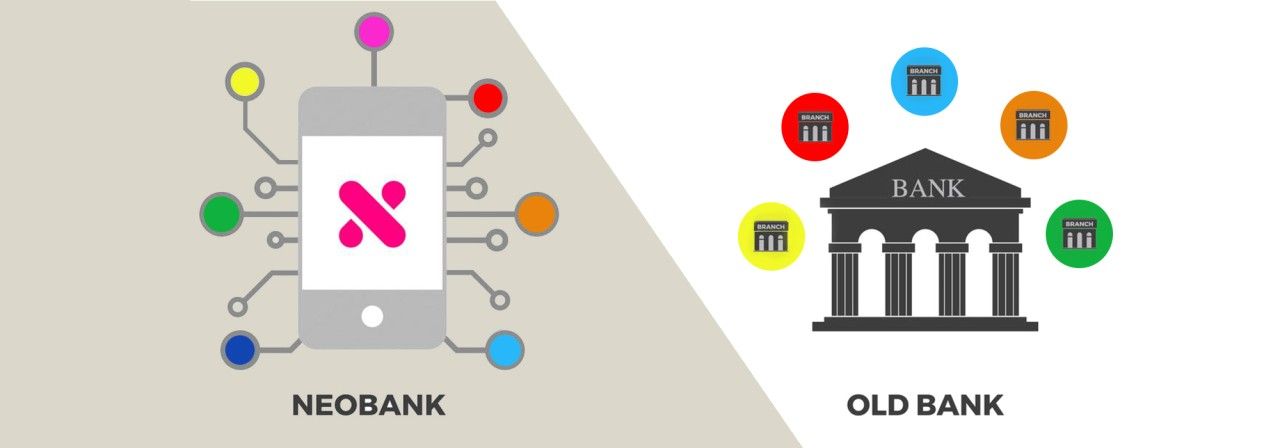
The way Europeans manage money is changing rapidly. Over the past few years, neobanks vs traditional banks Europe has become one of the most common financial questions — especially for people looking to optimize savings.
Digital-first banking offers convenience and sometimes higher rates, while traditional banks still dominate in trust and stability. So which one is actually better in 2026?
Author note:
This comparison is based on EU banking regulations, deposit protection rules, and typical interest rates across European banks and fintech platforms as of 2026.
Conditions may vary depending on the country and provider.
What is a neobank (simple explanation)
A neobank is a fully digital bank that operates without physical branches. These institutions are part of the growing fintech banks Europe ecosystem. However, not all neobanks are fully licensed banks — some operate under partner bank licenses or as electronic money institutions.
Key characteristics:
- mobile-first experience
- low or zero maintenance fees
- fast onboarding (often within minutes)
- integrated budgeting and analytics tools
Examples include digital banks offering mobile banking Europe solutions with real-time notifications and app-based control.
In contrast, traditional banks operate through physical branches and long-established systems.
Neobanks vs traditional banks: full comparison
| Feature | Neobanks | Traditional Banks |
| Accessibility | 100% online | Online + branches |
| Fees | Low / zero | Medium to high (depending on account type) |
| Interest rates | Often higher (especially in fintech savings accounts) | Usually lower |
| Customer support | App / chat | Branch + phone |
| Product range | Limited | Full (loans, mortgages, etc.) |
| Trust level | Medium | High |
| Deposit protection | Yes (licensed banks) | Yes |
| Regulation | Bank license or partner bank | Full banking license |
Not all digital banks in Europe are licensed banks. Deposit protection applies only if the neobank operates under a full banking license or through a licensed partner bank.
This digital banks Europe comparison shows a clear trade-off: convenience vs stability
Interest rates comparison in Europe (real numbers)
Interest rates vary, but as of recent trends:
These rates depend on market conditions, ECB policy, and specific providers. Promotional rates from neobanks may be temporary or limited.
- Traditional banks: 1.5% – 3%
- Neobanks / fintech platforms: 2.5% – 5%
Example:
€10,000 savings:
- Traditional bank → €150–300/year
- Neobank → €250–500/year
This is why many users look for neobank savings accounts Europe
Are neobanks safe? (regulation, €100k guarantee)
A common concern: are digital banks secure?
The key fact:
Most licensed neobanks in Europe fall under EU deposit guarantee schemes
This means:
- up to €100,000 per customer is protected. This protection applies per bank, per customer, under EU deposit guarantee schemes.
- regulation applies through EU or national authorities
Important nuance:
- Not all fintech apps are banks
- Some operate as intermediaries
Always check:
- banking license
- country of registration
- whether deposits are held in a licensed EU bank
Hidden fees and limitations you should know
Even the best neobanks Europe have limitations.
Typical issues:
- withdrawal limits
- currency exchange fees
- premium plans for full features
- limited customer support
Traditional banks, on the other hand, may include:
- account maintenance fees
- transfer fees
- hidden service charges
Conclusion: No option is “free” — just different fee structures. Understanding fee structures is essential when comparing digital banks Europe comparison options.
Best neobanks and traditional banks in Europe (2026)
Neobanks (digital-first)
- strong UX
- better short-term returns
- ideal for daily use
Traditional banks
- broader services (loans, mortgages)
- higher perceived safety
- better for large capital storage
The choice depends on how you use your money. In practice, many users combine both options to balance convenience and security.
When to choose each option (real scenarios)
Choose a neobank if you:
- want better interest rates
- prefer mobile banking
- manage everyday spending digitally
Choose a traditional bank if you:
- store large amounts (>€50k–€100k)
- need complex financial products
- prefer in-person support
Many users combine both — this is becoming the dominant strategy in digital banking vs offline banking EU.
This hybrid approach is becoming standard in mobile banking Europe usage patterns.
Final verdict: which option is better for savings
There is no universal answer. The right choice depends on your financial goals, risk tolerance, and how you manage your savings.
Neobanks win in:
- flexibility
- fees
- usability
Traditional banks win in:
- trust
- stability
- full financial ecosystem
Best strategy in 2026:
- use neobanks for daily operations and higher returns
- use traditional banks for security and long-term storage
FAQ
Are neobanks safe in Europe
Yes, if they operate under a licensed EU bank. In this case, deposits are protected up to €100,000 per customer under EU law.
Which banks offer higher interest in Europe
Neobanks and fintech platforms typically offer higher rates.
Can I trust digital banks with large savings
Partially — better to diversify across multiple institutions.
Do neobanks have deposit protection
Yes, but only if the neobank holds a banking license or works with a licensed partner bank that provides deposit protection.
Which is better for long-term savings
Traditional banks are safer; neobanks may offer better returns.